Map the priorities
Combine your concerns with examination findings and imaging to distinguish urgent needs from care that can be staged.
Thoughtful solutions that rebuild damaged teeth and help you eat, speak, and smile comfortably.
Restorative dentistry repairs damaged tooth structure and rebuilds comfortable function. Because “restorative care” covers more than one procedure, the plan begins by understanding which teeth are affected, why they changed, and how each restoration will work with the bite as a whole.
Patients may begin asking about restorative dentistry when they notice a broken or worn tooth, old dentistry that needs attention, missing tooth structure or function. These concerns can have more than one cause, and an examination helps determine whether this service or another approach is appropriate.
Restorative choices depend on the amount of healthy tooth remaining, the condition of the nerve and gums, bite forces, appearance goals, and long-term maintenance.
Small areas of decay may be treated with tooth-colored fillings, while weakened or extensively restored teeth may need crowns. Worn edges, fractures, missing structure, gum health, bite forces, and existing dental work all influence the sequence. Active disease is addressed before elective cosmetic refinements.
Dr. El-Khoury explains what can be monitored, what should be treated soon, and which options preserve the most healthy structure. When care falls outside the services appropriate for the practice, coordination or referral may become part of the plan. The result should be understandable, staged when appropriate, and maintainable over time.
The exact sequence can change with your diagnosis, oral health, and the complexity of care. Dr. El-Khoury explains the recommended plan, relevant alternatives, appointment timing, and comfort options before treatment begins.
Combine your concerns with examination findings and imaging to distinguish urgent needs from care that can be staged.
Review the benefits, limits, preparation, timing, and maintenance involved in appropriate restorative choices.
Complete care in a logical order, checking comfort, contacts, bite, and the health of surrounding tissues.
Individual instructions from your dentist take priority because healing, materials, and treatment needs vary. Before you leave, the team explains normal short-term sensations, daily care, eating or activity precautions, and the symptoms that should prompt a call.
Clean carefully at restoration margins
Use floss or the recommended interdental tools every day
Protect teeth from grinding when advised
Keep recall visits so wear, bite, and margins can be monitored
Dr. Rebecca El-Khoury combines minimally invasive dentistry, modern technology, and clear treatment explanations at My Dental Boutique in Encino. Patients have time to ask questions, compare reasonable options, and understand what comes next before committing to care.
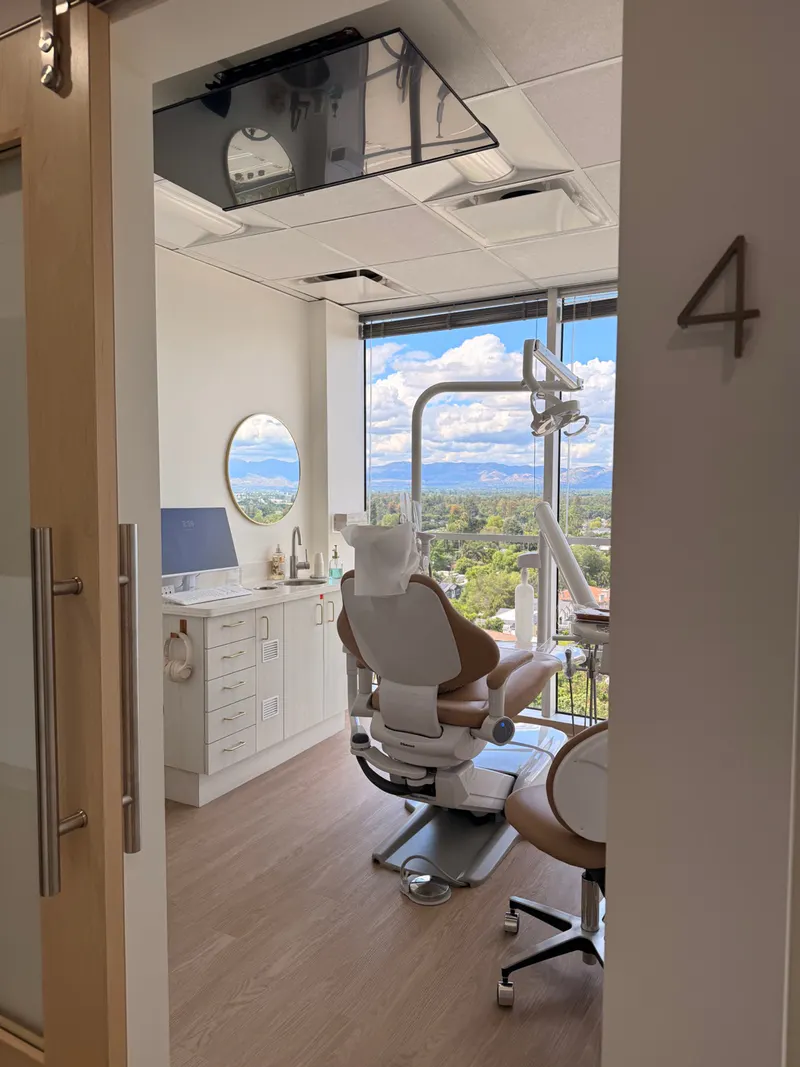
A calm Encino office, ceiling television, neck pillows, and noise-canceling headphones help make treatment easier. Tell the team what helps you relax so they can adjust the pace and explain each stage of the visit.
Digital tools and clear explanations help you understand your oral health and treatment choices. Images and findings are reviewed in plain language so you can connect the recommendation to what the dentist sees.
Recommendations are tailored to your priorities, with attention to preserving healthy tooth structure. When more than one approach may be reasonable, the team discusses benefits, limitations, timing, maintenance, and expected costs.
Restorative care may include tooth-colored fillings, crowns, repair of damaged teeth, and other individualized treatment. The appropriate options depend on examination findings.
Yes. Restoring shape, color, and proportion can improve appearance, but health and function guide the plan. Cosmetic goals can be considered alongside those priorities.
Often. When several teeth need care, Dr. El-Khoury can explain priorities and whether treatment can be phased around urgency, function, timing, and budget.
No restoration lasts forever. Longevity varies with material, size, location, bite forces, hygiene, diet, and habits. Routine monitoring helps identify wear or changes early.
All treatment takes place at our Encino office, allowing patients to return to the same address and team throughout planning, treatment, and follow-up. Explore local information, familiar landmarks, and general routes for patients traveling from nearby Los Angeles County communities.
Send an appointment request with your contact information and the type of care you are interested in. Our team will follow up to confirm availability, answer preparation or insurance questions, and explain the next step. For an urgent dental concern, call (818) 290-3043.
Our Ventura Boulevard dental office is convenient to Encino and neighborhoods throughout the San Fernando Valley. Use the map for general orientation, open live directions before leaving, or call the team if you need help finding the building or confirming your appointment time.
HoursMonday–Friday · 8:00am–5:00pm
Saturday · by appointment
Sunday · closed